
Heavy Metal Pollution in Soils
Exploring the impact of environmental education on the carbon footprint of college students’ diets
Soil Health
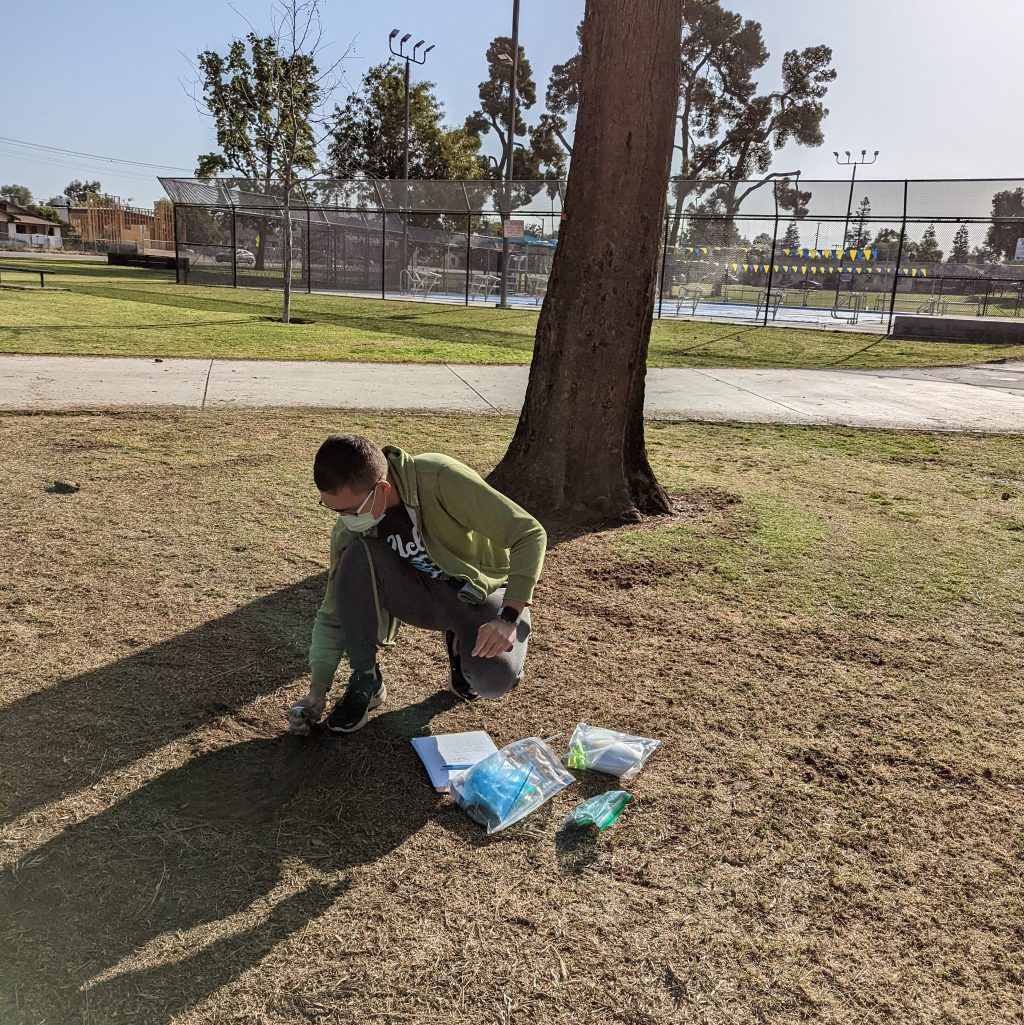
Los Angeles has a long history of lead (Pb) contamination due to automobile emissions, industrial processes, and Pb-containing paint. Although the amount of Pb coming from these sources has been reduced or eliminated, exposure to Pb-contaminated soil is still a concern.

Published Papers

Influence of soil characteristics and metal(loid)s on antibiotic resistance genes in green stormwater infrastructure in Southern California
The widespread occurrence of antibiotic resistance (AR) is a critical global threat to human health. While AR can originate in nature and exist at baseline levels in the environment, anthropogenic pollutants, such as metal(loid)s, can act as stressors and accelerate the development of AR through co-selection of genes and traits that protect both against antibiotics and metal(loid)s. Urban GSI soils are likely to be another potential environment that promotes the spread of ARGs via metal(loid) co-selection and poses a critical global health threat.
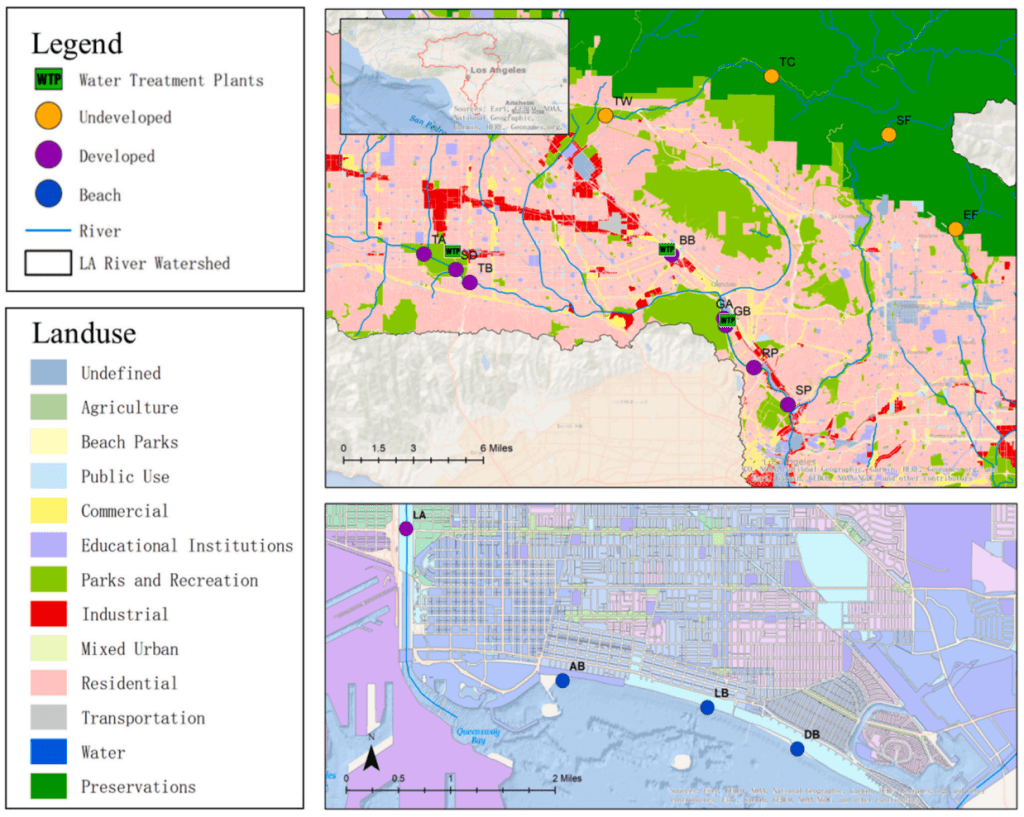
The influence of urbanization and water reclamation plants on fecal indicator bacteria and antibiotic resistance in the Los Angeles River watershed: A case study with complementary monitoring methods
Urban land use and water reclamation plants can impact fecal indicator bacteria and antimicrobial resistance in coastal watersheds. However, there is a lack of studies exploring these effects on the US West Coast. In this study, sixteen locations were sampled in the Los Angeles River, encompassing both upstream and downstream of three WRPs discharging into
the river. Results reveal downstream sites contain ARGs at least two orders of magnitude greater than upstream locations. A culture-based assessment of antibiotic resistance in E. coli and Pseudomonas aeruginosa revealed increased resistance ratios for most antibiotics from upstream to downstream a wastewater reclamation plant discharge point.
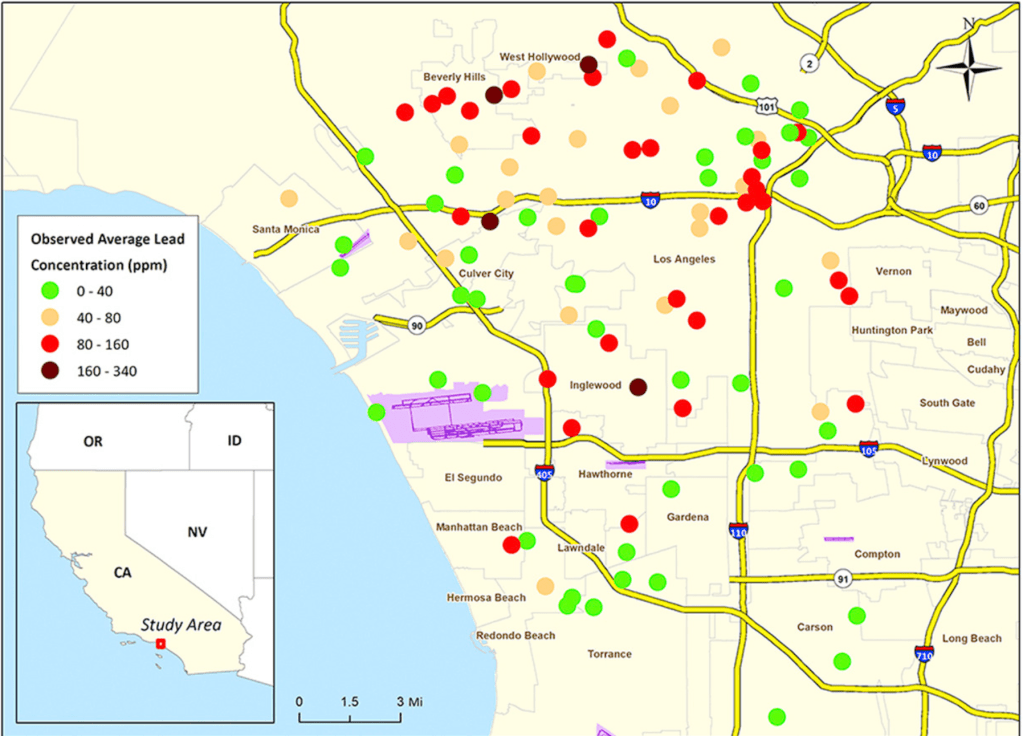
Preliminary assessment of lead concentrations in topsoil of 100 parks in Los Angeles, California
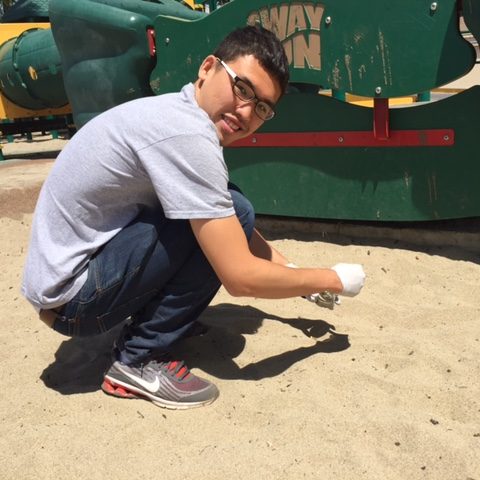
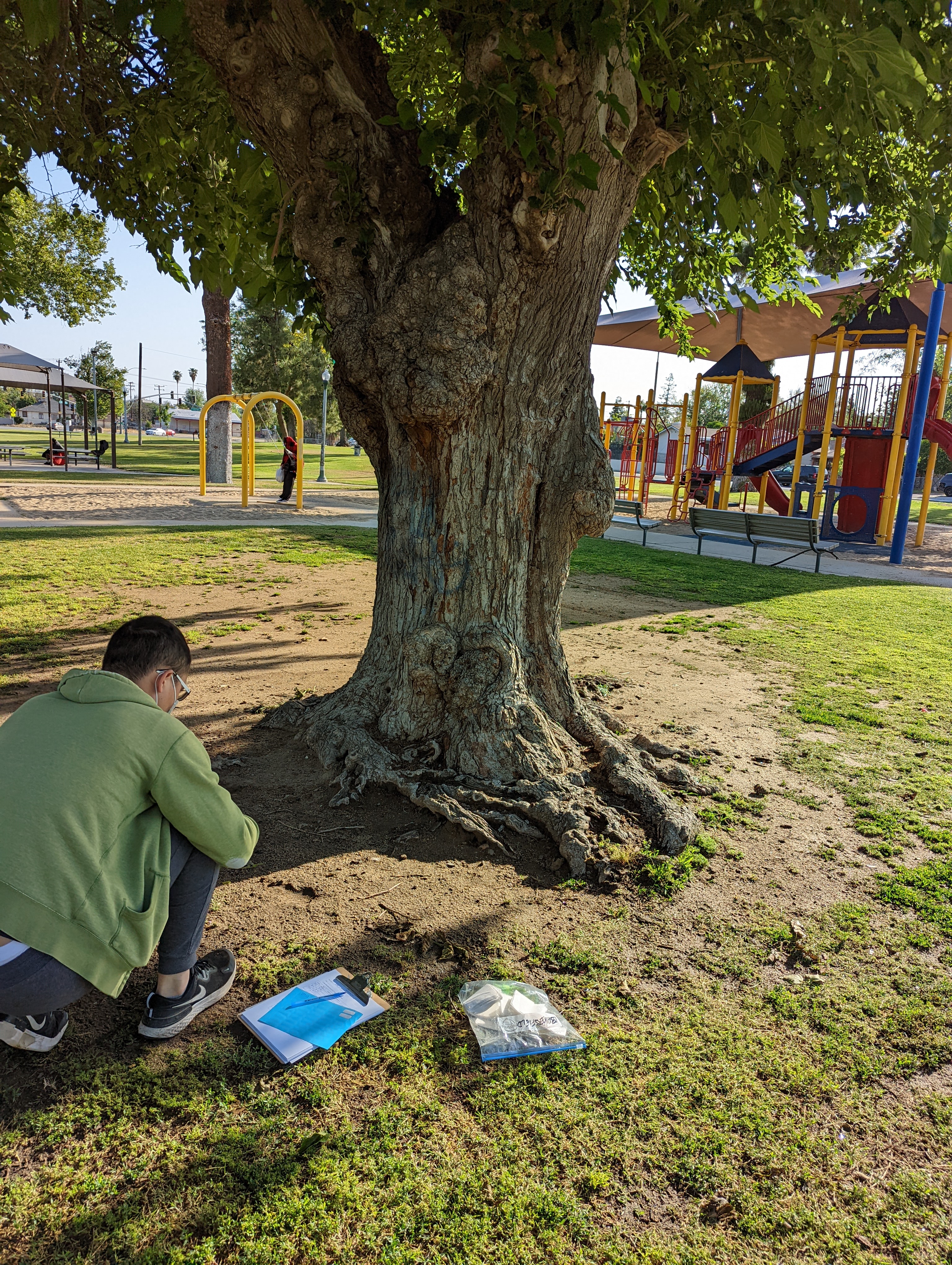
Los Angeles has a long history of lead (Pb) contamination due to automobile emissions, industrial processes, and Pb-containing paint. Although the amount of Pb coming from these sources has been reduced or eliminated, exposure to Pb-contaminated soil is still a concern. Contaminated soil in urban parks may constitute an important exposure route, since children are particularly vulnerable to the toxic effects of Pb. Results show that the average Pb concentration in park soil was 65.5 ppm (range: 0.969–363 ppm), with 35 parks exceeding the California guideline of 80 ppm based on the average Pb concentration measured at each park.
2023
Assessing Soil Lead in Different Land-Use Types in Los Angeles
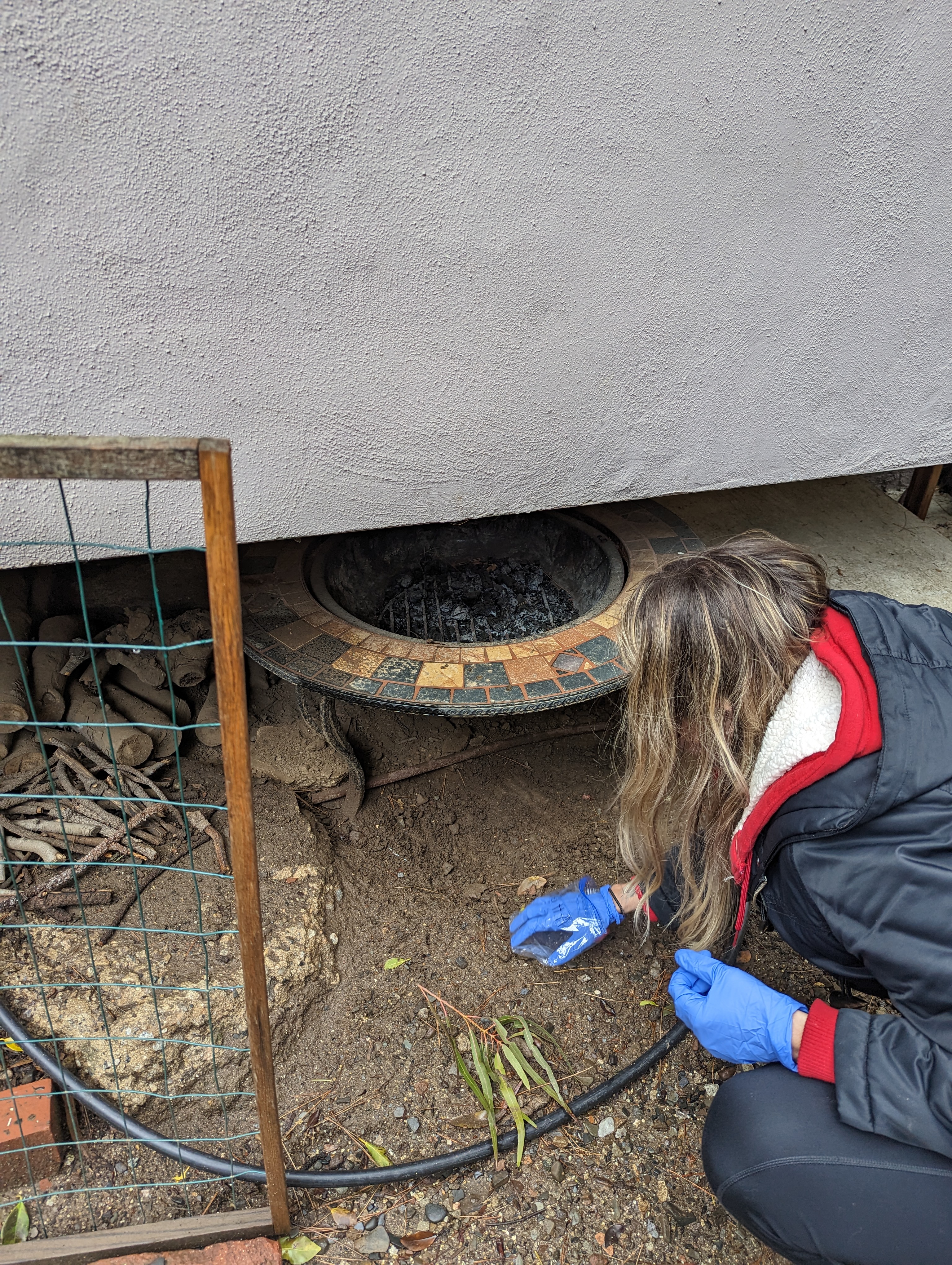
Incorporating field-based research into remote learningesearch-based course was developed to investigate the legacy of soil lead (Pb) pollution in Los Angeles, California. During the course, undergraduate and graduate students collected a total of 270 soil samples for analyses of metal (loid) concentrations in different land-use types (residential, park, and school)


2023
Assessing Lead in Topsoil of 100 Parks in Los Angeles
Wayne Hung sampled 100 playgrounds around LA county and found 35 of 100 parks exceeded the California Pb guideline (80 ppm) for soil.
 JAYLab UCLA