
Educational Initiatives
Implementing STEM teaching programs to empower underrepresented minorities in the classroom
Environmental Education
To assess the impact of increased knowledge of food systems on dietary choices, we surveyed the students in my food systems class as well as a control course at baseline and follow up (Jay et al. 2018, Whitener et al. 20**). The students in our course reported dietary shifts that would–if extrapolated across the population of the U.S.–amount to one third of the greenhouse gas emissions reductions that the U.S. required by the Paris Climate Accord. We then showed that a ten-week one-unit seminar resulted in similar dietary shifts at three Universities (Malan et al. 20**).


Published Papers

Use of Google Earth Engine for Teaching Coding and
Monitoring of Environmental Change: A Case Study
among STEM and Non-STEM Students
Computational skills are advantageous for teaching students to investigate environmental change using satellite remote sensing. This focus is especially relevant given the disproportionate underrepresentation of minorities and women in STEM fields. This study quantified the effects in both a STEM and a non-STEM class of Earth science remote sensing modules in Google Earth Engine on students’ self-efficacy in coding, understanding remote sensing, and interest in science
and a career in environmental research. Additionally, the STEM students engaged in a course-based undergraduate research experience (CURE) on water quality. Satellite imagery was used to visualize water quality changes in coastal areas around the world due to the COVID-19 pandemic shutdown. Pre- and post-surveys reveal statistically significant changes in most students’ confidence to apply coding skills to investigate environmental change and understand remote sensing. The intervention was not sufficient to lead to significant changes in interest in science or a career in environmental research. There is great benefit in incorporating remote sensing labs to teach environmental concepts to STEM and non-STEM students and to bolster the confidence of underrepresented minorities and
females in STEM.

Collaborative research with K-12 students on impacts of climate change on ecosystems in an environmental engineering service-learning course
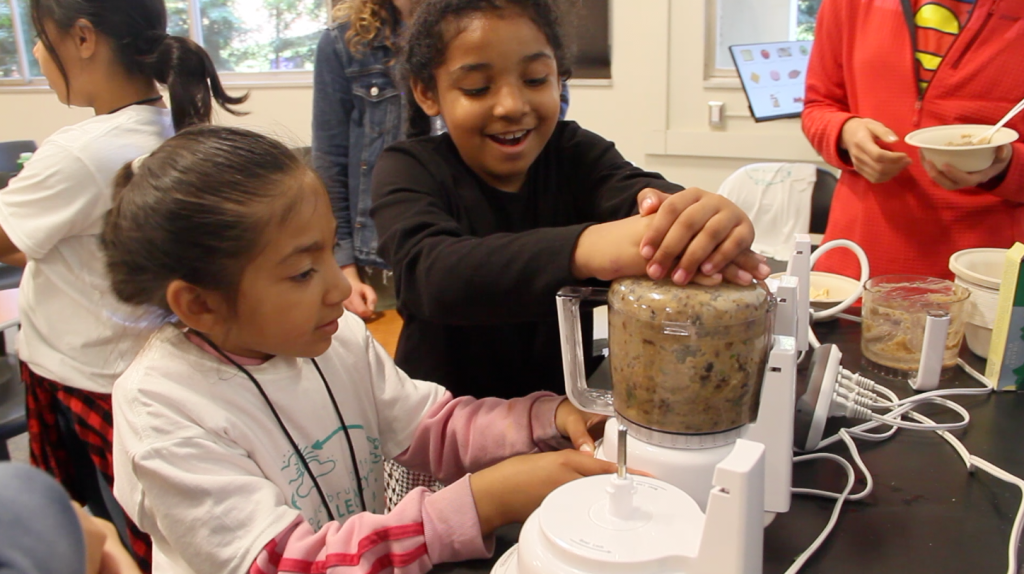
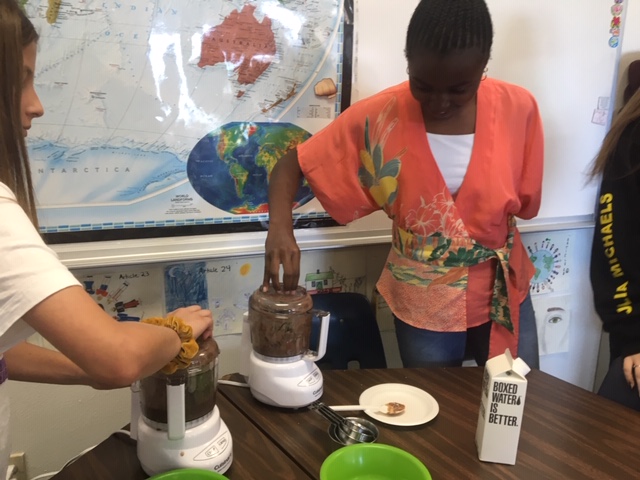
This article focuses on the first offering of an innovative civil and environmental engineering service learning (SL) course entitled CEE58SL Climate Change, Water Quality and Ecosystem Functioning: A Service Learning Course. This five-unit course involved academically rigorous learning at the University of California Los Angeles (UCLA) on climate change and its impacts, as well as a substantial commitment of time devoted to working with K-12 students (two field trips and four classroom visits). In the first part of the SL component, conceptual models illustrating key concepts of climate change (trapping of heat by atmospheric gases and different reflectivity of Earth’s surfaces) and ocean acidification from increased carbon dioxide in the atmosphere were used as hands-on classroom activities. Students then did research on relevant, grade-appropriate topics using the Internet and books, created posters of their results, and presented their results at the University.
All of the material for the seminar class “Foodprint: Understanding the Connection Between Food and Environment” are available at the Healthy Campus Initiative’s webpage: healthy.ucla.edu/foodprint-resources
This seminar is part of a study to assess the impacts of the seminar on the carbon footprint of diets. The campuses involved in the study are: UCLA, UC Stanford, UC Davis, and CalState Sacramento. If you are interested in offering this course, please contact us. You are welcome to use any part of the materials.


 JAYLab UCLA